A Life Shaped by Industry and Change
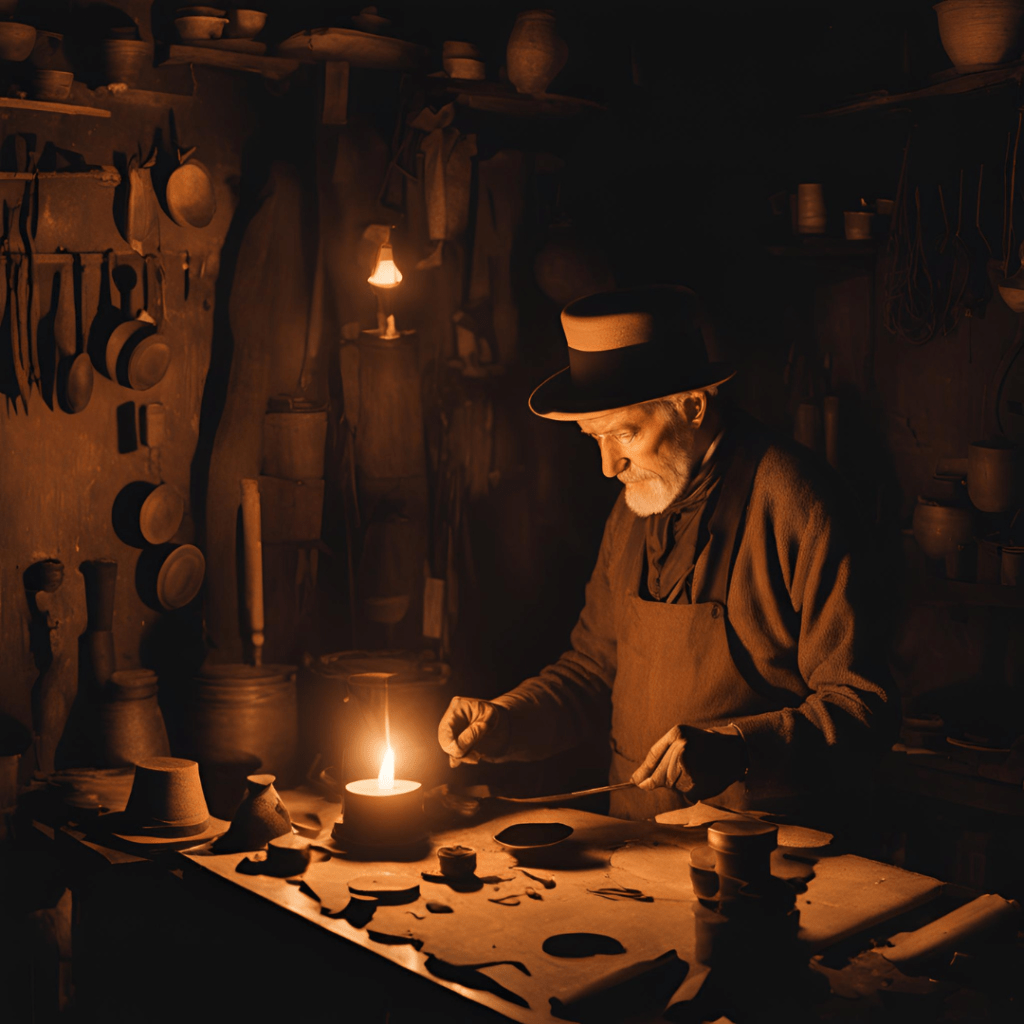
Albert Milsted grew up in the heart of Bristol’s bustling hat-making industry, surrounded by the clatter of tools, the scent of leather and fur, and the endless stream of customers seeking the latest fashions. His father’s work as a cap and furrier craftsman would have shaped Albert’s early years, filling his world with fabric scraps, mercury-stained hands, and the quiet patience of his mother, who balanced bonnet making with raising a growing family.
For a young boy in the 1830s and 40s, life was dictated by routine and necessity. Days would begin early, perhaps with the task of running errands or assisting in the workshop, observing the slow and meticulous process of crafting headwear for a city where status and etiquette revolved around what one wore on their head. The tools of the trade—steam, stretching frames, and delicate stitching—would have been as familiar to Albert as the streets of St James, where his family lived among tradespeople, merchants, and labourers all trying to carve out a living in an evolving city.
The Harsh Realities of Working-Class Life
Though Bristol was a city of opportunity, it was also a place of deep hardship. Disease was rife in the densely populated streets, and food insecurity was a daily concern. With outbreaks of cholera striking the city multiple times in the 19th century, Albert would have witnessed the dangers of unsanitary conditions. His family, likely living in crowded housing, might have shared an outdoor water pump and outside toilets with their neighbours, throwing household waste directly into the streets.
As a young man, Albert may have looked beyond the hat-making trade for a better life, watching his older brother’s struggles and seeing the temptations that led some down paths of crime or misfortune. Would he have felt the pressure to take over his father’s business, or did he yearn for something different?
If Albert did follow in his father’s trade, he would have been exposed to the same risks—mercury poisoning from the carroting process, eye strain from detailed stitching, and the exhaustion of long hours. But if he chose another path, what then? Perhaps he sought work at the docks, hauling goods and witnessing the ebb and flow of Bristol’s declining maritime fortunes. Or maybe he learned a new trade, one that offered security but little room for advancement.
A Changing City, A Changing Life
By the time Albert reached adulthood, Bristol was shifting. The abolition of the slave trade had diminished the city’s wealth, and industrialisation was creating new opportunities and displacing old ways of working. Railways connected Bristol to the rest of the country, and factories replaced small workshops. Would Albert have embraced these changes, or did he hold onto the traditions of his father’s craft?
Debt was another challenge many families faced. Albert would have seen his father struggle financially, even appearing in court as an insolvent debtor. Was this a warning to Albert to avoid the same fate, or did he find himself caught in similar struggles, trying to balance work, family, and financial hardship?
The social fabric of the city was changing too. As the working classes fought for better wages and conditions, Albert may have found himself among those yearning for more—a better home, a secure future, a chance to rise above the struggle that defined his childhood. Did he marry young and start a family, continuing the cycle of labour and survival? Or did he strike out in search of something more, a different life beyond the streets he had always known?
Conclusion
Albert Milsted’s life, like so many of his time, would have been shaped by the relentless march of industry, the expectations of family, and the ever-present challenges of working-class existence. His world was one of both resilience and limitation, where survival often meant enduring rather than thriving. Whatever path he took, his experiences would have been etched into the very fabric of Victorian Bristol—its struggles, its ambitions, and its constant reinvention in an era of great change.


Leave a Reply