The Victorian Era: A Time of Progress
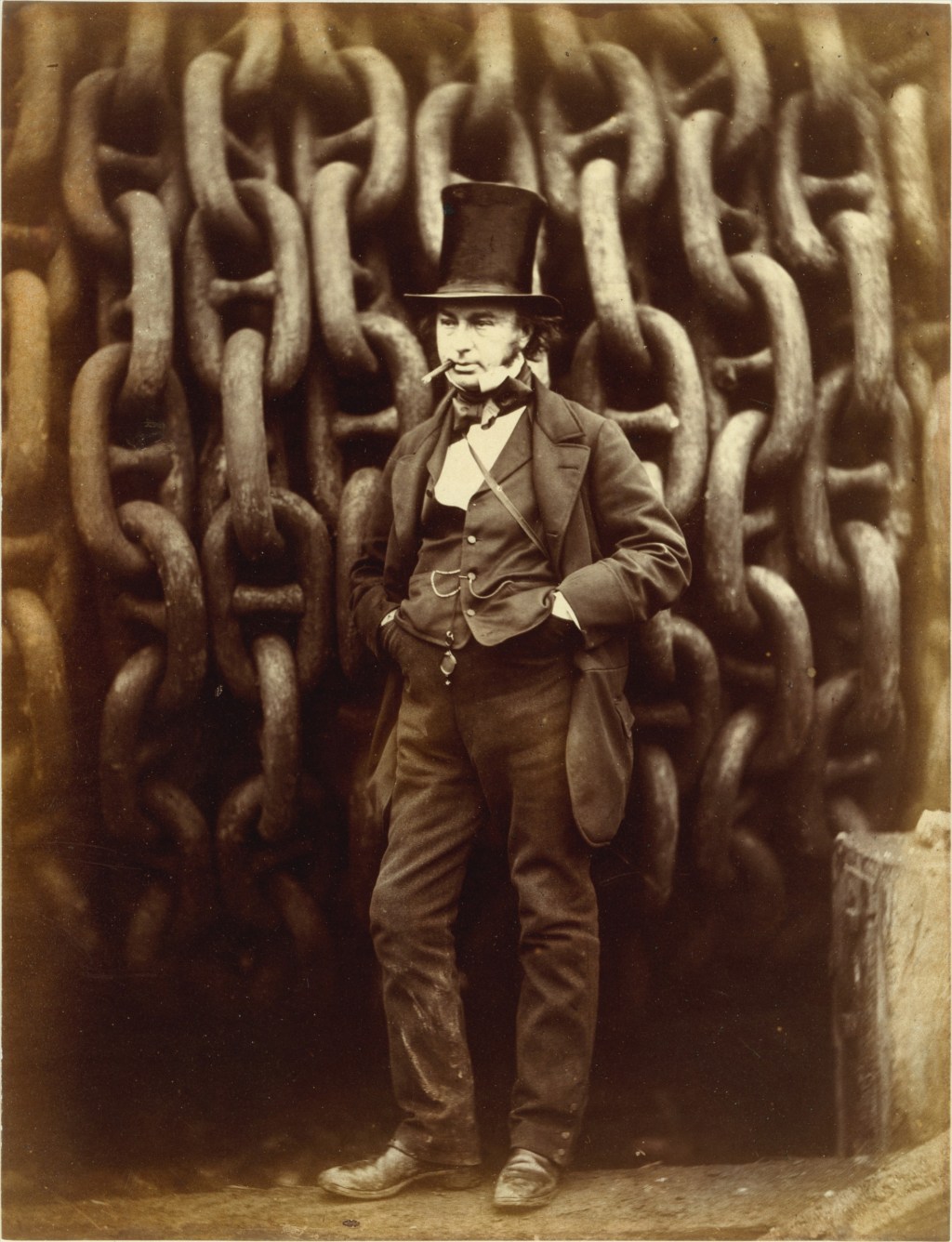
The Victorian era was a time of extraordinary progress in science, technology, and engineering, driven by rapid industrialisation and urbanisation. The expansion of factories, mechanisation of production, and the growth of cities created a demand for new infrastructure, leading to remarkable advancements in engineering and innovation. British engineers were at the forefront of innovation, designing and constructing structures that would shape the modern world. From railways to bridges, their contributions remain vital to our infrastructure today.
Isambard Kingdom Brunel: A Visionary Engineer
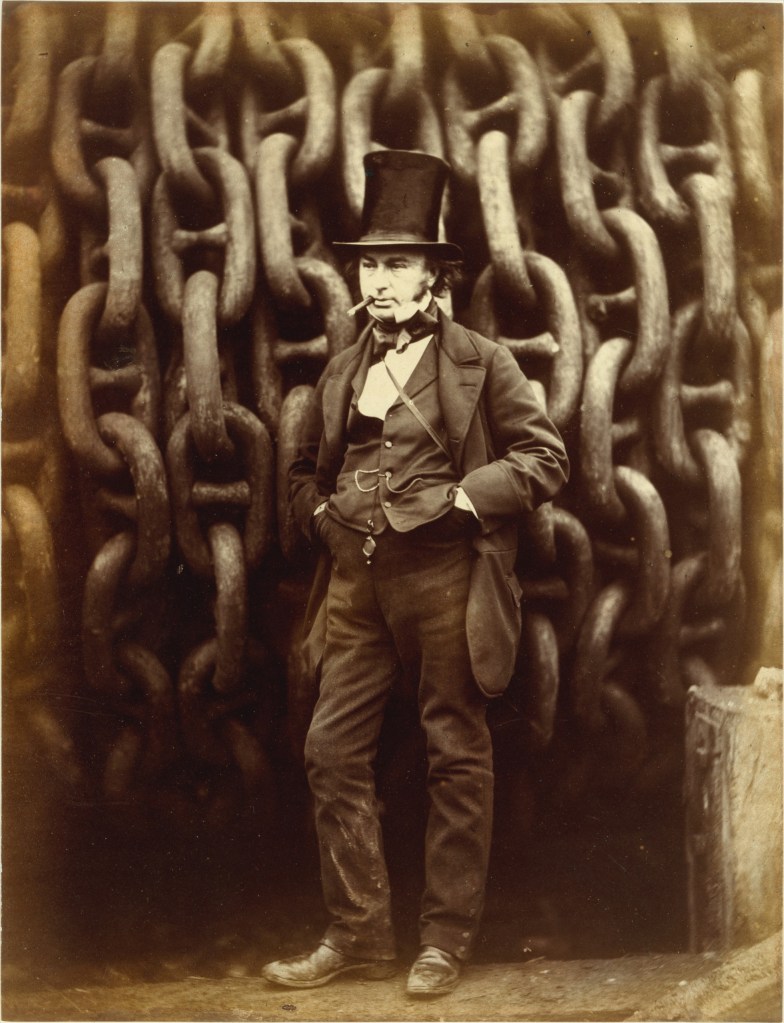
One of the most celebrated figures of this period was Isambard Kingdom Brunel (1806–1859), a visionary engineer whose work left an indelible mark on Britain. In a 2002 BBC2 survey, he was voted the second most important Briton of all time. His masterpieces—such as the Clifton Suspension Bridge, Paddington Station, the Royal Albert Bridge, and the Great Western Railway—are still standing testaments to his genius. These structures were not only engineering marvels but also symbols of Victorian ambition and progress.
Other Notable Victorian Engineers
Brunel was not alone in his achievements. Other notable Victorian engineers included Thomas Telford, who revolutionised road and bridge construction; Robert Stephenson, a pioneer of railway engineering; William Henry Barlow, known for his work in civil engineering; and John Hawkshaw, who played a key role in railway expansion. What these men had in common was rigorous training—most undertook apprenticeships or formal studies in mathematics and science before making their mark in the industry.
Defining Engineering in the 19th Century
The importance of engineering in the 19th century can be summed up by the definition provided by the American Engineers’ Council for Professional Development:
The creative application of scientific principles to design or develop structures, machines, apparatus, or manufacturing processes, or works utilizing them singly or in combination; or to construct or operate the same with full cognizance of their design; or to forecast their behaviour under specific operating conditions; all as respects an intended function, economics of operation and safety to life and property.
The Impact of Engineering on Society
With industrialisation in full swing, engineering expertise was essential in developing new machinery, constructing railway networks, and building bridges to connect cities. These advancements drastically improved mobility, allowing people to travel faster and more efficiently than ever before. The expansion of railways facilitated trade, enabling goods to be transported across the country with unprecedented speed and reliability. Moreover, new machinery and infrastructure created safer and more efficient working environments, gradually improving labour conditions in factories and urban centres. The need for skilled engineers led to a growing emphasis on technical education and apprenticeships, ensuring that future generations could continue the momentum of innovation.
The Etymology of Engineering
The word engineering itself has its roots in the Latin ingenium, meaning “cleverness,” and ingeniare, meaning “to contrive or devise.” This etymology captures the essence of Victorian engineering—solving complex problems through ingenuity and determination.
Albert Milsted: An Unlikely Engineer
It was in this dynamic era that Albert Milsted, a man with no formal engineering background, declared himself an engineer. At a time when formal qualifications were not always required, social mobility allowed skilled and enterprising individuals to claim professional titles based on experience rather than formal education. Many self-taught engineers emerged from trades and apprenticeships, leveraging industrial growth and expanding railway networks to establish themselves in new fields. Albert’s transition from hat-making and pub work to engineering exemplifies the Victorian spirit of reinvention, where ambition and adaptability could redefine one’s identity and career. His journey from hat-making and pub work to the world of iron foundries is a fascinating case study in Victorian reinvention, which we will explore in the next installment of this series.
 Albert Milsted: A Man of Victorian Reinvention
Leave a comment