John Milsted’s story is one of personal resilience amidst societal change—a narrative shaped by family dynamics, social mobility, and the broader forces of history. His journey, from his probable origins in Kent to his life in Bath and then Helston, mirrors the shifting landscapes of 18th-century England. But what can his story teach us about our own lives and the legacies we leave behind?
Family Dynamics in Changing Times
John’s life was deeply intertwined with the complexities of family relationships. Through two marriages, multiple children, and even illegitimate offspring, John navigated the evolving structure of family life. His second wife, Margaretta Scadden, exemplified strength and compassion, raising a blended family and possibly caring for John’s illegitimate son, John Dun Milsted.
How do we define family today? In an age of blended families and diverse relationships, what lessons can we draw from the Milsteds’ ability to adapt and support one another despite societal judgments?
The Impact of Socioeconomic Changes
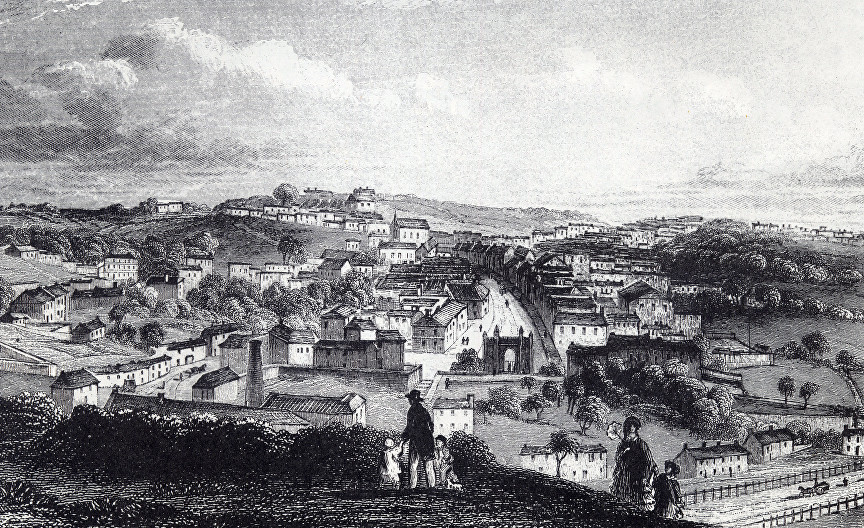
John’s move from Bath to Helston, where he became an innkeeper, reflected the era’s economic shifts. Helston itself grew from a small market town into a middle-class hub and later faced the challenges of the mining boom and subsequent bust. The “hungry forties,” marked by food shortages and economic hardship, drove many of his descendants to seek opportunities abroad as part of the Cornish diaspora.
How have economic shifts, whether industrialization, globalization, or modern technological changes, influenced your family’s trajectory? Are there parallels between the Milsteds’ migration and stories within your own ancestry?
Social Mobility and Reinvention
John’s life illustrates the potential for reinvention. He began as a Kent native, married in the affluent city of Bath, and adapted to life as an innkeeper in Helston. His descendants continued this theme of reinvention, with some staying in Cornwall and others seeking new lives across the globe.
What does reinvention mean in your life or family history? Have there been pivotal moments where individuals seized opportunities to reshape their destinies?
Historical Events and Personal Lives
The Cornish diaspora, driven by the decline of mining and economic hardship, offers a lens into how larger historical forces can profoundly alter personal and family histories. For John’s descendants, these migrations represented both a break from the past and a connection to a global Cornish identity.
How have historical events shaped your family’s story? Consider wars, economic upheavals, or migrations that altered the course of your lineage.
Personal Connection: Why John Milsted’s Story Matters Today
John Milsted’s story resonates with modern readers because it underscores universal themes: the complexity of family, the necessity of adaptation, and the interplay between personal choices and historical contexts. For those exploring their own family histories, his life is a reminder that the past is not just a list of dates and events—it’s a tapestry of decisions, relationships, and resilience.
In a world that continues to grapple with rapid change, the Milsteds’ ability to adapt and thrive speaks to the timeless human capacity for reinvention. As we uncover our family stories, we gain a deeper understanding of who we are and how the legacies of the past continue to influence us today.
 Albert Milsted: A Man of Victorian Reinvention
Leave a comment